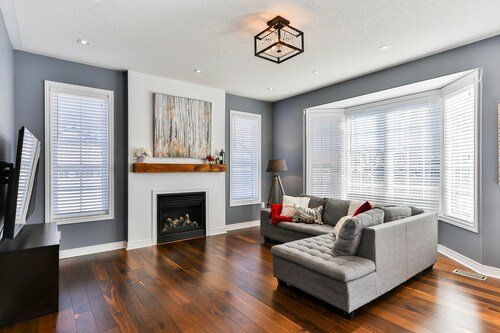
Tag: natural lighting

  • How to Improve Natural Lighting at Home

    How to Improve Natural Lighting at Home

    Understanding the Importance of Natural Lighting

    Natural lighting plays a crucial role in the overall ambiance and functionality of a home. Its significance extends beyond just aesthetics, influencing various aspects of mental and physical well-being. One of the primary benefits of natural light is its ability to enhance mood and mental health. Studies have shown that exposure to sunlight boosts the production of serotonin, a hormone that contributes to feelings of happiness and well-being. Consequently, homes that incorporate ample natural light can foster a more positive atmosphere, reducing feelings of stress and depression.

    Moreover, natural lighting is an essential component of energy efficiency. Utilizing daylight reduces the reliance on artificial lighting, leading to decreased energy consumption and lower utility bills. This not only appeals to environmentally conscious homeowners but also contributes to a more sustainable living environment. Furthermore, homes that maximize the use of natural light can maintain comfortable temperatures throughout the day, potentially lessening the need for heating and cooling systems.

    Health advantages are another crucial aspect of natural light exposure. Adequate sunlight can provide essential Vitamin D, which is important for bone health and immune function. Additionally, natural light regulates our circadian rhythms, helping to establish a healthy sleep-wake cycle. This balance is particularly important in modern lifestyles that often promote extended screen time and reduced exposure to the outdoors.

    From a design perspective, natural lighting enhances the aesthetic quality of a space. It adds depth, warmth, and vitality to interiors, making areas appear larger and more inviting. Properly harnessed, natural light can highlight architectural features, colors, and textures, significantly elevating the design experience. As such, understanding and implementing natural lighting strategies can dramatically transform a home, benefiting both its inhabitants and the environment.

    Evaluating the Current State of Natural Lighting

    Examining the existing natural lighting conditions in your home is crucial for enhancing its brightness and ambiance. Start by identifying which rooms receive the most sunlight throughout the day versus those that seem darker. Generally, south-facing windows capture more sunlight, while north-facing ones may have limited exposure. During different seasons, the angle of sunlight changes, which can also impact how light enters your rooms.

    To effectively assess your home’s natural lighting, conduct observations at various times, particularly in the morning and afternoon. Take note of how the sunlight flows into your living spaces, as well as its duration. For a more precise evaluation, consider employing tools such as a light meter, which measures luminance levels, providing you with quantitative data to inform any lighting improvements.

    Additionally, it is important to recognize any physical barriers that may obstruct natural light. Large trees, buildings, or even tall fences in proximity can significantly limit the amount of sunlight that reaches your windows. Make a note of these potential obstructions to consider them when planning to enhance your home’s natural lighting.

    When analyzing your lighting patterns, don’t overlook smaller details such as the colors of your walls and furniture. Lighter colors reflect more light, whereas darker hues absorb it, impacting the overall brightness of a room. A comprehensive evaluation involves understanding each room’s unique characteristics and how you can leverage the available natural light. Through this assessment, you will be better equipped to devise practical strategies to improve your home’s natural lighting, ensuring a more welcoming and vibrant atmosphere.

    Enhancing Natural Light: Tips and Techniques

    Improving the flow and quality of natural light in your home can greatly enhance the ambiance and feel of each space. One of the simplest yet most effective strategies is to paint walls and ceilings in lighter color palettes, such as soft whites, pastels, or light grays. These shades reflect light rather than absorb it, effectively brightening up your indoor environment.

    In addition to choosing lighter colors, incorporating mirrors and reflective surfaces into your design is a proven method to enhance natural lighting. Strategically placing mirrors across from windows can double the amount of light that enters a room. Likewise, polished surfaces on furniture, such as glass tables or metallic finishes, can further amplify the light effects throughout the space.

    Rearranging furniture can also play a significant role in enhancing natural light. Avoid obstructing windows with bulky furniture pieces. Instead, position the furnishings to create an open path for light, allowing it to flow freely into the room. This arrangement not only improves light access but also promotes a more spacious feel within the living area.

    Choosing the right window treatments is crucial for controlling the quality of natural light. Opt for sheer curtains or blinds that can be fully opened during the day to let in maximum light. Heavy drapes can significantly block out sunlight, so it is advisable to reserve them for nighttime use.

    If you are considering more extensive changes, structural alterations like adding skylights or larger windows can be immensely beneficial. Skylights can flood a room with uplifting daylight, especially in areas that receive minimal natural light. Additionally, decluttering spaces can enhance the brightness of your home by removing unnecessary obstacles that block light from penetrating.

    Cultivating Natural Lighting Throughout the Seasons

    Natural lighting plays a crucial role in creating a warm and inviting atmosphere within the home. As the seasons change, so too does the angle and intensity of sunlight, impacting how light enters various spaces. Homeowners can cultivate natural lighting throughout the year by adapting their interiors to align with these seasonal shifts.

    During the winter months, the sun sits lower in the sky, which can limit the amount of light reaching the interior. To counteract this, homeowners may consider seasonal decluttering, ensuring that windows and sources of light remain unobstructed. Sheer curtains can be an excellent choice for winter, allowing light to filter through while maintaining privacy. Additionally, rotating furniture can optimize sunlight exposure; for instance, positioning mirrors strategically can reflect light into darker corners of a room.

    As spring approaches and the days grow longer, it provides an excellent opportunity to reassess the positioning of plants within the home. Selecting plants that thrive in bright, indirect light can enhance the ambiance and air quality. Varieties such as peace lilies or ferns can adapt well to various light conditions. Arranging these plants near windows can also serve dual purposes as natural decor and effective light modifiers.

    During the summer, the higher sun angle offers longer daylight hours, which can be leveraged to brighten interior spaces significantly. Homeowners may wish to consider incorporating lighter colors into their décor, as these can reflect sunlight and further amplify natural light. Conversely, creating shaded areas with outdoor awnings or strategic landscaping can provide relief from excessive sunlight, preserving comfortable temperatures indoors.

    In the fall, with days growing shorter, it is advisable to assess light fixtures and replace any dim bulbs to maintain brightness indoors. Embracing warm lighting solutions can create a cozy atmosphere while maintaining the benefits of natural light during these transitional months.